Blog
Bed Bug Eradication: Common Mistakes and How to Avoid Them

Bed bug eradication, common mistakes and how to avoid them
Bed bug infestations are stressful, but mistakes during diagnosis and treatment make the problem worse. With 15 years operating across London and the South East, this guide explains the errors we see most often and gives practical steps you can take to protect your home, HMO, guesthouse or social housing block.
Mistake 1: Misidentifying the pest
Many people assume bites or marks are bed bug related. Moths, fleas, carpet beetles and even dermatitis can be confused with bed bug activity. Misidentification leads to the wrong treatment method and delay.
What to do: if you suspect bed bugs, look for physical signs not just bites. Check mattress seams, headboards, skirting boards and plug sockets for live bugs, shed skins, tiny rust coloured spots and eggs. A thorough inspection using a bright torch and a probe will confirm the presence of nymphs or adults. If in doubt, book a professional inspection to avoid wasted time and ineffective DIY attempts.
Mistake 2: Relying on DIY pesticides or foggers
Garden-centre sprays, plug-in foggers and unregulated online pesticides often fail to reach harborage sites. They can also push bed bugs deeper into voids where they remain protected.
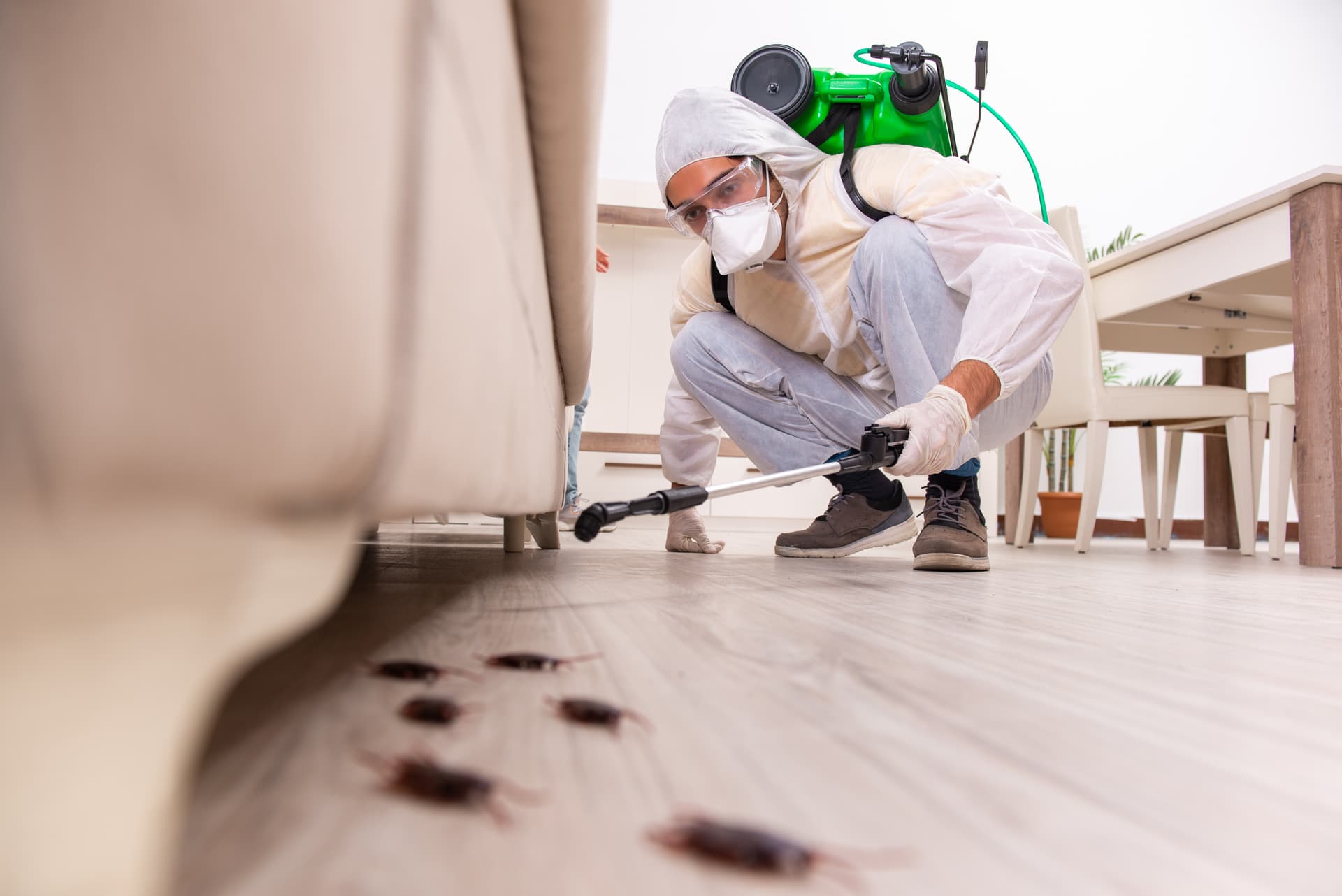
What to do: avoid over the counter foggers and amateur pesticide mixes. Effective eradication frequently requires targeted residual insecticide applications, steam or whole-room heat treatment, all applied by trained technicians with the right equipment. Professionals know how to treat harborage sites, manage resistance and follow safety protocols.
Mistake 3: Moving infested items from one property to another
Transporting furniture or mattresses to a communal skip, another flat or a neighbour increases the risk of spreading bed bugs across a block. Bed bugs hitch rides on soft furnishings and electrical cables.
What to do: keep infested items contained. If disposal is necessary, follow local authority guidance and label items as infested so removal teams can take precautions. Where possible, treat items in situ with steam or heat, or use enclosed mattress bagging until professional removal can be scheduled.
Mistake 4: Poor preparation for treatment
Incorrect preparation reduces treatment effectiveness. Technicians need access to all rooms and to typical hiding places to apply steam or insecticide, or to set up heaters for whole-room heat treatment.
What to do: follow the preparatory checklist provided by your pest controller. Common tasks include laundering bedding and clothing at the highest safe temperature, emptying bedside drawers, vacuuming mattress seams and moving furniture away from walls. For heat treatment, remove fire-sensitive items and give the team clear access to all rooms.
Mistake 5: Treating only the obvious areas
Bed bugs travel from beds to sofas, wardrobes and electrical voids. Treating only the mattress or bed frame leaves infestations to persist elsewhere.
What to do: insist on a full property inspection and a treatment plan that covers likely harbourages. Effective plans combine methods such as steam for cracks and crevices, residual insecticide for skirting and voids, and heat treatment when a rapid, chemical free approach is required.
Mistake 6: Skipping follow-ups and monitoring
One treatment often does not finish the job. Nymphs and eggs can survive an incomplete treatment, and reintroduction from neighbouring properties is common in flats.
What to do: choose a provider that includes follow-up visits and monitoring. Use encasements on mattresses and active traps in staging areas. If signs persist, call for a re-inspection promptly rather than attempting repeated DIY fixes.
Mistake 7: Hiring unqualified or uninspected contractors
A cheap callout from an unregulated operator can cost more long term. Poorly applied treatments are ineffective and may breach tenancy or contractor compliance obligations.
What to do: check that the contractor is fully insured, has verifiable experience, and can explain their methods in plain terms. Ask about guarantees and response times. For managed housing, confirm the contractor understands tenancy and health and safety procedures.
Practical tips to reduce risk between treatments
- Launder bedding and clothing regularly on a hot cycle where fabric allows. Use sealed plastic bags to move laundry.
- Vacuum and clean cracks, then empty and seal the vacuum bag or contents.
- Avoid bringing second hand mattresses or upholstered furniture into the property without a full inspection.
- Use mattress and pillow encasements rated to trap bed bugs.
Choosing the right treatment for your property
Heat treatment eradicates bugs in a single visit when used correctly. Steam targets cracks and seams. Residual insecticides reach protected voids. A tailored plan based on a thorough survey is best practice. The choice depends on property type, severity, access and any occupant vulnerabilities.
When to call in an emergency response
If you see multiple live bugs, experience rapid spread across rooms, or manage a communal building where the risk of spread is high, request an emergency callout. Rapid action reduces spread and shortens the overall treatment programme.
For a discreet, professional response across London and the South East, contact a specialist with experience and clear follow-up. Our team has 15 years experience in bed bug eradication, offers a three month guarantee on treatments, and is fully insured. Request a survey and a written treatment plan to understand scope and factors that affect cost before you commit to work.
Other Articles